
Wall Lights Buying Guide
Placement and brightness tips

087 711 5767
Choosing the right lighting can completely transform the look, feel, and functionality of your home, but knowing where to begin isn't always straightforward. Our Lighting Buying Guides make it easier to understand the different types of lighting and how to choose the best option for each room. From pendant lights, floor lamps, and downlights to bathroom lighting and outdoor lights, you'll find practical advice to help you plan your lighting with confidence.
Whether you're selecting a pendant light for above a dining table, deciding on the right bathroom lighting, comparing outdoor lighting options, or choosing downlights for a kitchen or living room, our guides explain what to consider before you buy. Designed for South African homes, they provide clear, straightforward information to help you make informed lighting decisions and create a well-lit space you'll enjoy for years to come.
Start by thinking about how the room will be used. Living rooms and bedrooms benefit from softer ambient lighting, while kitchens, studies and bathrooms need brighter task lighting. Layering different light sources — such as ceiling lights, wall lights and lamps — helps create a balanced, functional space.
Brightness is measured in lumens. As a general guide, bedrooms and living rooms need softer lighting, while kitchens, bathrooms and workspaces require brighter illumination. Choosing the correct brightness ensures your space feels comfortable while still being practical for everyday use.
The colour of light is measured in Kelvin (K).
Warm white (2700K–3000K) creates a relaxed and inviting atmosphere, making it ideal for bedrooms, dining rooms and lounges. Neutral to cool white (3500K–4000K) works well in kitchens, bathrooms and work areas where clearer visibility is needed.
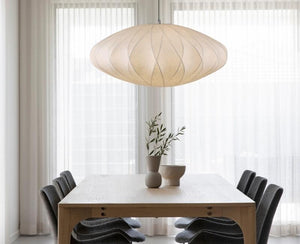
Pendant lights should generally hang 70–90cm above a dining table or kitchen island. This height provides enough light for the surface below while keeping the fitting visually balanced within the room.
Most rooms benefit from a combination of lighting types. Ambient lighting provides overall illumination, task lighting helps with specific activities like cooking or reading, and accent lighting highlights architectural details or décor. Using these layers together creates a comfortable and well-designed space.
Outdoor lighting should be selected with weather protection in mind. Look for fixtures with the correct IP rating for exposure to rain and dust. It’s also important to consider the purpose of the light — whether it’s for security, pathway visibility, or creating atmosphere on patios and garden spaces.
An IP rating (Ingress Protection rating) tells you how well a light fitting is protected against dust and moisture. The rating is shown as two numbers, for example IP44 or IP65. The first number refers to protection against solid particles like dust, while the second indicates protection against water. When choosing lights for bathrooms, outdoor areas or kitchens, checking the IP rating helps ensure the fitting is safe and suitable for the environment where it will be installed.
IP ratings indicate how well a light fitting is protected against water and dust. The higher the IP rating, the more resistant the light is to moisture. For example, IP44 is suitable for most bathroom areas where there may be occasional splashes, while IP65 or higher is recommended for outdoor spaces exposed to rain and weather. Choosing the correct IP rating helps ensure your lighting remains safe, durable and suitable for the environment where it’s installed.


