Lighting By Room Buying Guide
Tips for lighting up your room

087 711 5767
Tips for lighting up your room
Choosing lighting by room helps ensure every space in your home works exactly as it should. The right lighting not only improves visibility but also enhances how each room feels and functions.
By considering purpose, brightness, colour temperature and layering, you can create a home that feels both practical and beautifully lit.

Lighting is one of the most transformative elements in any home. It not only brightens your space but also shapes the mood, enhances functionality, and highlights your design choices. Whether you’re refreshing a living area, illuminating a kitchen, or creating a cosy sanctuary in your bedroom, the right lighting can elevate every corner of your home.
When planning your lighting, it helps to think about each room individually — how it’s used, how much light it needs, and the atmosphere you want to create.

The kitchen is a practical workspace that benefits from clear, layered lighting.
A combination of ceiling lights, downlights and kitchen pendants over islands or counters works best. Task lighting is especially important here, so consider slightly brighter, more neutral lighting (around 3000K–4000K) to improve visibility for cooking and food preparation.

Living rooms are all about comfort and flexibility.
This space benefits from layered lighting, combining ceiling lights with floor lamps, table lamps and wall lights. Warm white lighting (2700K–3000K) helps create a relaxed and inviting atmosphere, perfect for unwinding or entertaining.

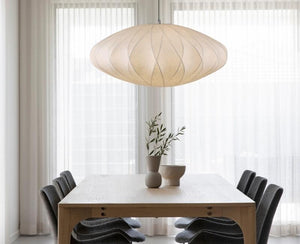
Lighting in the dining room should feel both functional and atmospheric.
A pendant light above the dining table is often the focal point, typically installed 70–90cm above the table. Warm lighting works best here, helping create a welcoming environment for meals and gatherings.

Bedrooms should feel calm, comfortable and restful.
Use a mix of soft ambient lighting and bedside lamps or wall lights for reading. Warm white lighting (2700K–3000K) is ideal for creating a cosy, relaxing environment.

A home office requires lighting that supports focus and productivity.
Combine ambient lighting with a good desk lamp for task lighting. Neutral to cooler tones (3500K–4000K) can help improve concentration and reduce eye strain during extended periods of work.
Choosing lighting by room helps ensure every space in your home works exactly as it should. The right lighting not only improves visibility but also enhances how each room feels and functions.
By considering purpose, brightness, colour temperature and layering, you can create a home that feels both practical and beautifully lit.
At Lighting.co.za, we always recommend approaching lighting room by room. This allows you to create spaces that feel intentional, comfortable and tailored to the way you live — bringing your home together through thoughtful, well-designed lighting.
For a sleek look opt for the Sienna Slim CCT LED Ceiling Light. Available in Black or White Option. It suits Warm Minimalism interiors, anywhere a ...
View full detailsStainless steel changes how long a lantern actually lasts outdoors, and the Rubik Lantern Wall Light pairs a 201 stainless steel body with tempered...
View full detailsThe Vilano Slim LED Ceiling Light offers sleek versatility in black or white finishes. With adjustable color temperature (CCT) options, it provides...
View full detailsTriangular framing gives a fitting genuine sculptural presence, the Horizon Gold or Black with White Shade Pendant Light uses it to full effect, it...
View full detailsFrosted glass globes never go out of style, the Globe Gold, Black, or Silver Opal Glass Ball Pendant Light proves it, its softly frosted shade diff...
View full detailsThree finish options on one ceiling surface fitting covers most colour schemes without a special order; the Kaapstad Ceiling Surface Spotlight come...
View full detailsSome entrances just want a lantern, and the Grayson Lantern Wall Light is a matt black iron and clear glass fitting with proper classic proportions...
View full detailsA halo of light changes how a round mirror reads on a wall, and the Bethany LED Backlit Gold or Black Round Wall Mirror is built around the same pr...
View full detailsVersatility is the whole point of this fitting, and the Blink Tall LED Wall Light is a black aluminium and PMMA wall light that mounts either verti...
View full detailsElongated pill shapes read taller than they measure, and the Pill LED Backlit Gold or Black Wall Mirror is a slim mild steel framed mirror with LED...
View full detailsGood light doesn't just illuminate, the Ebbe Tall Smoke Glass and Antique Brass Pendant Light settles a room, its tall smoke glass shade and warm a...
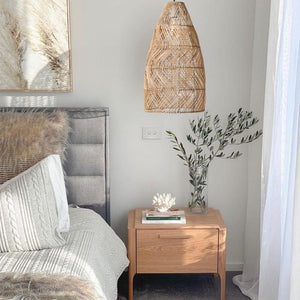
View full detailsSome rooms need a fitting that does more than light them, the Bent Natural String Rattan Pendant Light brings genuine texture, its handcrafted pape...
View full detailsGood artwork deserves its own light source, the Dex Picture Light is a metal fitting available in antique brass or satin chrome built to wash a can...
View full detailsA good entrance light should feel like it's always been there, and the Zia Down Facing Lantern is a black metal and clear glass fitting with an unm...
View full detailsA basket cage shade gives a fitting genuine presence, the Flutter Black or Gold Wire Pendant Light uses that to its advantage, its open wire form a...
View full detailsMarble brings a coolness to a wall light that metal alone can't manage — the Pascal Marble Disk Wall Light sets a slim marble disc against brass go...
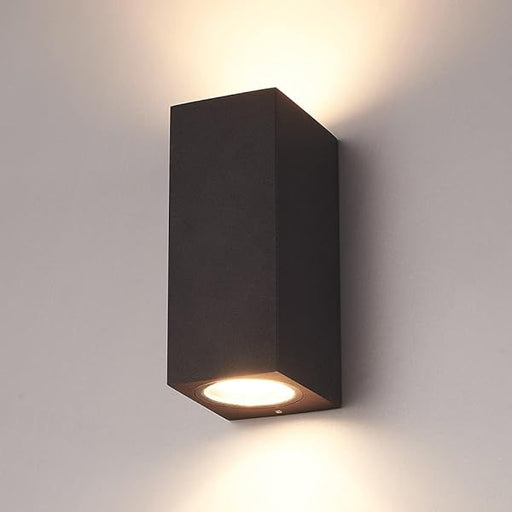
View full detailsThe same Block C profile splits its beam two ways when a wall needs more coverage, and this Up Down Wall Light keeps the coastal-durable ABS and po...
View full detailsSome rooms just need one clean line of black metal to pull the look together — the Slick Wall Light is a compact black metal fitting with a straigh...
View full detailsSome fittings disappear into a space, the Chic Charcoal Black or Antique Brass Single Glass Dome Pendant Light doesn't, its milk white glass dome c...
View full detailsA fabric shade softens a room's light in a way glass or metal can't — the Mallorca Wall Light pairs a metal body in black, antique brass or satin c...
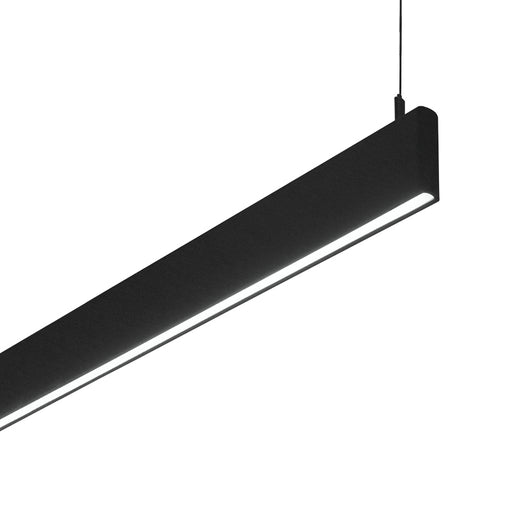
View full detailsLight from both directions changes how a room reads, the Avico Black or White Up Down Linear LED Slim Pendant Light is built around that idea, its ...
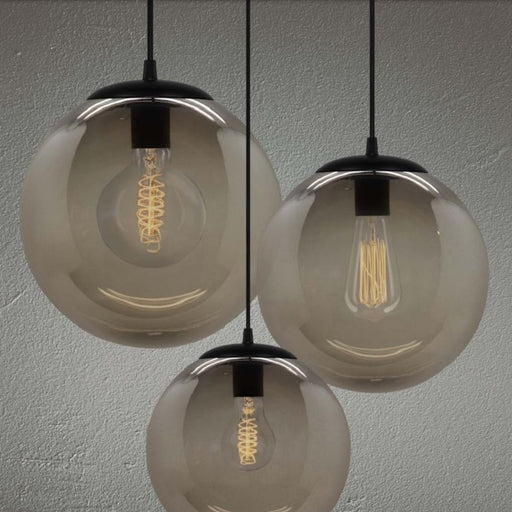
View full detailsModern round pendant lights need a shape that holds its own, the Palla Smoke Grey, White, or Clear Ball Pendant Light does exactly that, its sleek ...
View full detailsIndustrial classics earn their place for a reason, the Flow Black, Gold, or Chrome Clear Glass Ball Pendant Light brings early 20th century styling...
View full detailsRippled glass diffuses light in a way smooth glass simply can't, the Marilyn Rippled Glass Pendant Light leans on that texture for genuine vintage ...
View full detailsColour temperature shouldn't be a fixed decision, the Vilano Black or White Linear CCT LED Pendant Light agrees, its slim linear profile switching ...
View full detailsEach room has different needs. Kitchens and offices benefit from brighter, more neutral lighting, while living rooms and bedrooms are better suited to warm, softer lighting. Layered lighting works best in most spaces.
Not necessarily. Warmer tones are ideal for relaxing spaces, while neutral or cooler tones work better in task-focused areas like kitchens and offices.
Layered lighting combines ambient, task and accent lighting. This approach creates a more functional and visually balanced space compared to relying on a single light source.
Use warm white lighting, add lamps or wall lights, and avoid overly bright or harsh lighting. Soft, layered lighting helps create a more inviting atmosphere.
In most cases, no. A combination of lighting types provides better functionality and a more considered design.
Use different lighting types to define areas within the space. For example, pendants over a dining table and softer lighting in the living area help create structure and balance.