CUSTOMER SUPPORT
021 979 3940

Lighting is no longer just about brightness — it’s about how a space feels and functions.
The most well-designed homes don’t rely on a single light source. Instead, they use layered lighting — combining different types of lighting to create depth, flexibility, and atmosphere.
Understanding these four types of lighting is the foundation of getting it right.
Whether you're building from scratch or refreshing a single room, understanding these four lighting types is essential to good design.

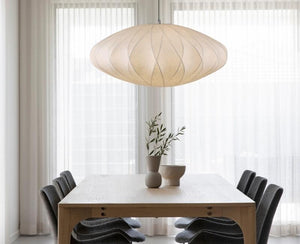
Ambient lighting is your main source of light — the layer that fills the room.
This typically includes:
Placement tips:
💡 Design tip: Warm white lighting (2700K–3000K) creates a softer, more comfortable environment in living spaces.

Think:
Common examples:
Placement tips:

Accent lighting is what gives a space depth and visual interest.
It highlights:
Examples include:
Placement tips:
Ideal for: Living rooms, staircases, hallways, display shelves

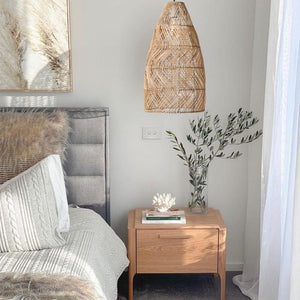
Decorative lighting is where function meets design.
These are your statement pieces — the lights that define the look and feel of a space.
Examples:
Placement tips:
✨ Think of decorative lighting as the finishing touch — the piece that brings everything together.
A well-lit home combines all four types.
Simple approach:
This creates a space that works for both everyday living and special moments.

Today’s lighting is as much about experience as it is about function.
These solutions help create a more layered, design-led interior.
Indirect Lighting
Creates a soft, ambient glow without harsh glare. Commonly used behind:
Bathroom mirrors
Headboards
Ceiling coves
LED Strip Lighting
Flexible and adhesive, LED strips are perfect for:
Shelving
Under cabinets
Stair risers or skirtings
Ideal for ambient and accent purposes, with minimal installation fuss.
Track Lighting
A sleek, modular system where multiple light heads attach to a single minimalist track — allowing flexible placement and design-led layouts.
Great for kitchens, creative studios, and gallery-style spaces.
| Room | Ambient | Task | Accent / Decorative |
|---|---|---|---|
| Kitchen | Recessed downlights | Pendant lights over island | LED strips under cabinets or floating shelves |
| Bathroom | Flush ceiling light | Vanity lights at eye level | Backlit mirrors or floor-level strip lights |
| Bedroom | Ceiling fixture | Bedside table lamps | Headboard LED strips or bold sconces |
| Lounge | Recessed lighting | Floor lamp for reading | Wall sconces or statement chandeliers |
If your space feels flat or unfinished, it’s often a lighting issue.
By combining ambient, task, accent, and decorative lighting — and placing them thoughtfully — you can completely transform how your home looks and feels.
Shop Lighting by Room here
What are the 4 types of lighting?
Ambient, task, accent, and decorative lighting — all working together to create a layered space.
Why is layered lighting important?
It improves functionality, adds depth, and allows you to adjust the mood of a room.
What colour light is best for a home?
Warm white (2700K–3000K) is best for most living areas.
Can I use all four types in one room?
Yes — that’s exactly what creates a well-balanced, professionally lit space.