CUSTOMER SUPPORT
021 979 3940

Understanding how colour temperature affects your space is one of the most important parts of choosing the right lighting.
Not all bulbs are created equal, and with changes in technology and regulations, there’s more to learn than just wattage and shape. Below, we break it down simply and clearly — so you can choose lights that not only look great, but feel right.
In South Africa today, lighting technology and standards have changed. Traditional halogen and CFL bulbs are no longer available for general household use — they do not meet current energy efficiency requirements and have been phased out.
LED bulbs are the legal household lighting choice in South Africa.
They use significantly less energy than older technology.
LEDs also last much longer and produce less heat.
Because LED technology is now the norm, this article focuses on LED colour temperature and light quality, and how to use them in your home.
Back in the day, watts = brightness. But with LEDs, watts now only tell you how much energy the bulb uses — lumens are the true measure of brightness.
| Traditional Wattage | LED Equivalent | Brightness (Lumens) |
|---|---|---|
| 40W | ~5–7W | 400–500 lm |
| 60W | ~8–10W | 700–800 lm |
| 100W | ~15–18W | 1,300–1,600 lm |
Lighting doesn’t just change how a space looks — it changes how it feels. That’s where Kelvin and CRI come in.
Kelvin (abbreviated as “K”) is the unit used to measure colour temperature — essentially how warm or cool the light appears.
Lower Kelvin numbers (2700K–3000K) = warmer, softer light
Mid-range (3500K–4000K) = neutral, balanced white
Higher numbers (5000K and above) = cool, crisp light
Colour temperature affects mood, ambience, and how colours appear in a space.
Here’s a simple table to compare colour temperatures, what they look like, and where they work best:
| Kelvin (K) | Appearance | Best For |
|---|---|---|
| 2700K–3000K | Warm white | Bedrooms, Dining Area, Lounges, Ambient Lighting |
| 4000K | Cool white | Kitchens, bathrooms, home offices |
| 5000K+ | Daylight white | Garages, laundry, task-heavy areas |

For most South African homes, we recommend:
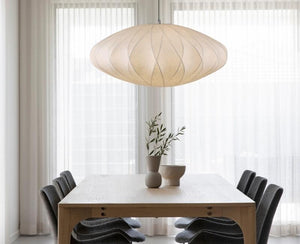
Living areas: 2700K–3000K
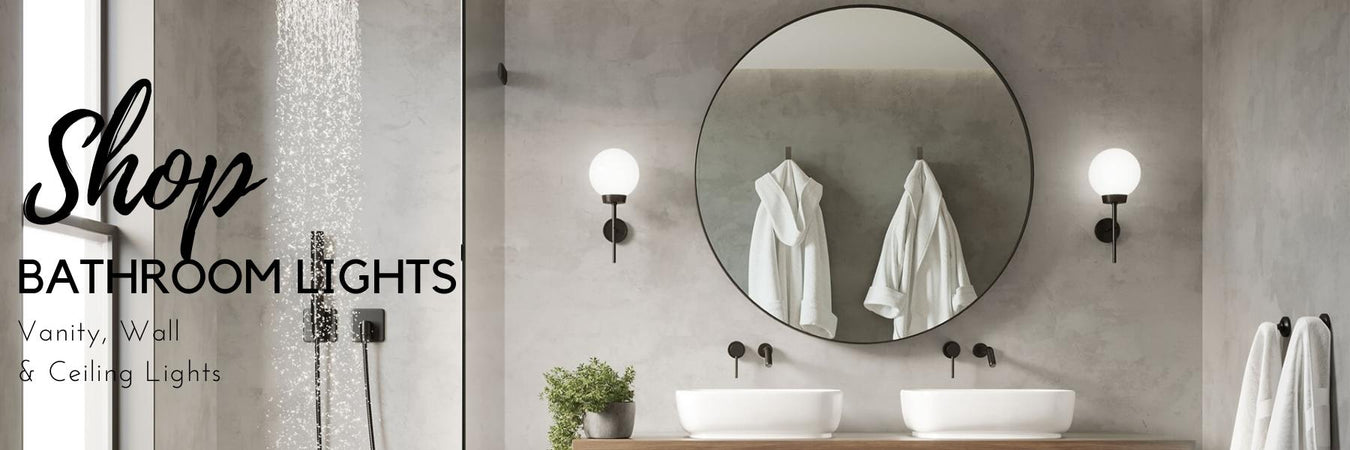
Kitchens and bathrooms: 3000K–4000K
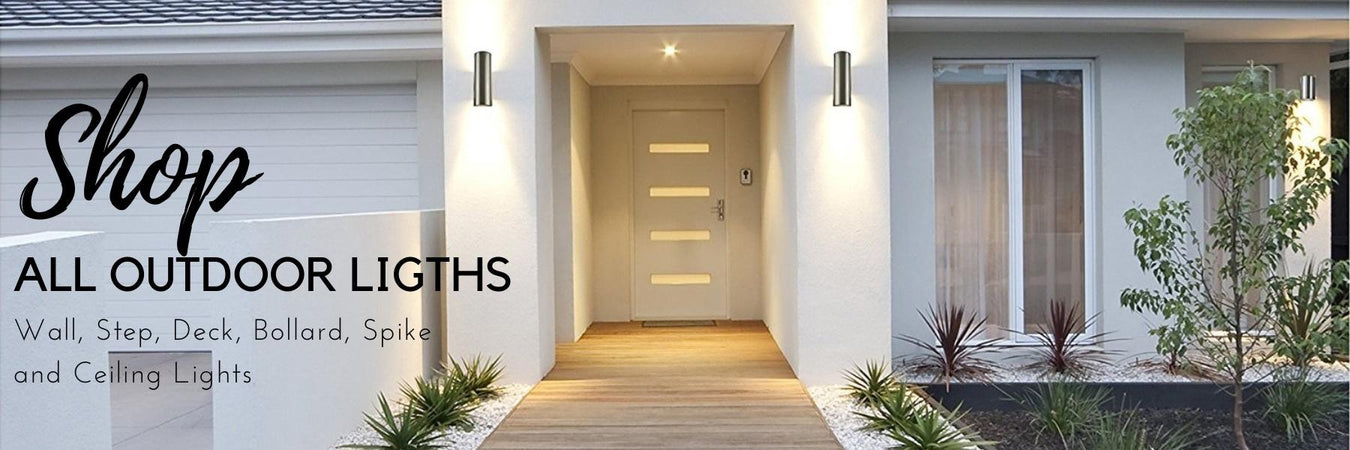
Outdoor entertaining / patios: 2700K–3000K
You can also mix colour temperatures in layered lighting — warm ambient light and brighter task lighting where you need it.
CRI measures how accurately a light source reveals true colour (0–100 scale).
80–85 CRI: Good for general household use
90+ CRI: Ideal for bathrooms, kitchens, and anywhere colour accuracy matters (like applying makeup or showcasing art
Is warm white better for bedrooms?
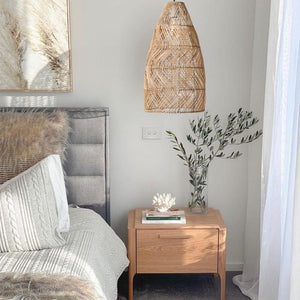
Yes. Warm white lighting (2700K–3000K) is relaxing and soothing — ideal for bedrooms and living areas.
Is cool white too harsh for homes?
In general living spaces, cool white can feel stark. It’s best suited for functional areas like garages or workspaces where bright visibility matters.
Can I mix warm and cool lights in the same home?
Absolutely. Use warm lighting for ambience (living rooms, lounges) and neutral/cool lighting in task areas (kitchens, bathrooms).
LEDs are now the only legal and practical choice for home lighting in South Africa
Look at lumens for brightness — not watts
Choose Kelvin temperatures to match the function and mood of each space
For detail-heavy or colour-sensitive areas, aim for CRI 90+
Choosing the right colour temperature can dramatically impact how your home feels and functions — from cosy living spaces to bright kitchens and productive work zones.