CUSTOMER SUPPORT
087 711 5767
087 711 5767

Layered lighting means combining four types of light — ambient, task, accent, and decorative — in the same room so that every activity, mood, and moment is covered. It's the single biggest difference between a home that feels professionally designed and one that feels flat. This guide walks you through exactly how to do it, room by room.

Homes that rely on a single ceiling light always feel off — too bright in some moments, too harsh in others, and never quite right for relaxing. Layered lighting solves this by giving you control over how a space looks and feels at any time of day.
In 2026, layered lighting isn't a design trend — it's the standard. One-note lighting is out. The most well-designed spaces combine multiple fixture types at different heights to create warmth, depth, and flexibility that a single overhead light simply cannot achieve.

Ambient lighting is your room's primary source of light — the layer that fills the space and makes it functional.
Common examples:
Placement tips:
💡 Colour temperature tip: Warm white (2700K–3000K) creates a softer, more comfortable feel in living spaces. Cool white (4000K+) is better suited to task-heavy areas like kitchens and home offices.
Shop downlights → | Shop pendants →

Task lighting is focused, purposeful light for specific activities — reading, cooking, working, or getting ready.
Common examples:
Placement tips:

Accent lighting gives a room dimension. It draws the eye to specific features, creates contrast between light and shadow, and adds a layer of intentionality that elevates even simple spaces.
It's used to highlight:
Common examples:
Placement tips:
Shop wall lights → | Shop spotlights →

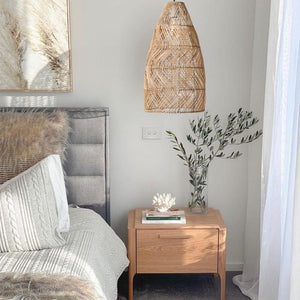
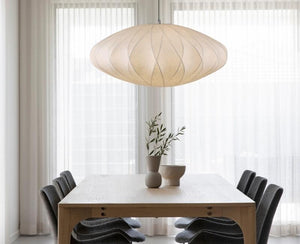
Decorative lighting is where function meets design. These are the pieces that define a room's personality — the fittings you notice the moment you walk in.
Common examples:
Placement tips:
✨ In 2026, decorative lighting has taken on a new role — bold, sculptural fixtures are replacing wall art as the focal point of hosting spaces. If your lounge or dining room feels incomplete, a statement light is often the answer.
Layered lighting only reaches its full potential with dimmers. Without them, you're limited to on or off — with them, you can shift a room from bright and functional to warm and intimate in seconds.
The professional approach:
In South Africa, most modern LED downlights and pendant fittings are dimmer-compatible. The key is ensuring your switch and bulb are matched — not all LED bulbs work with all dimmers. When in doubt, check the bulb's packaging for dimmer compatibility, or ask our team.
Layered lighting is the foundation — but how you execute it is evolving. Here's what's defining well-lit homes in 2026:
Warmth over brightness Blue-toned, cool white lighting is out. 2026 is firmly in warm territory — lighting designed to enhance skin tones, complement natural materials, and create genuine comfort. If your home still has cool white bulbs in living areas, swapping to warm white (2700K) is the single fastest improvement you can make.
Sculptural, statement fittings Decorative lighting is stepping up to do the work that wall art used to do. Organic shapes, asymmetry, mixed materials — brushed brass, textured gold, handspun copper — and fixtures that feel more like art objects than light fittings are defining 2026 interiors.
Wellness-focused lighting The connection between light and wellbeing is now mainstream. Bright, cool light during the day supports alertness; warm, dim light in the evening helps the body prepare for sleep. Layering your lighting with this in mind — and putting bedroom and living room lights on dimmers — is one of the simplest things you can do for your daily quality of life.
Rechargeable and portable lamps Modern rechargeable lamps last days or even weeks between charges, making it possible to add a warm glow anywhere — a bathroom shelf, a kitchen counter, an outdoor entertaining area — without fixed wiring. Ideal for renters, for rooms where adding a socket isn't practical, or simply for flexibility.
| Room | Ambient | Task | Accent / Decorative |
|---|---|---|---|
| Kitchen | Recessed downlights | Pendants over island + under-cabinet LED strips | LED strips under floating shelves |
| Bathroom | Flush ceiling light | Vanity lights at eye level on either side of mirror | Backlit mirror or LED strip at floor level |
| Bedroom | Ceiling fixture on dimmer | Bedside table lamps (warm white, 2700K for sleep) | Headboard LED strips or wall sconces |
| Lounge | Recessed lighting or ceiling pendant | Floor lamp for reading corner | Wall sconces, statement chandelier, or decorative floor lamp |
| Hallway / Staircase | Flush mounts or ceiling pendants | N/A | Wall lights or step lights for accent and safety |
| Home Office | Ceiling light (cool white, 4000K) | Desk lamp with adjustable arm | Optional: shelf or cabinet lighting |
If you're starting from scratch or refreshing a room, work in this order:
You don't need to do it all at once. Adding a floor lamp to a corner, a wall light in a hallway, or strip lighting inside a bookshelf are all meaningful improvements that cost very little and make an immediate difference.
What are the four types of lighting? Ambient, task, accent, and decorative lighting — each playing a different role, and all working together to create a space that's both functional and beautiful.
Why is layered lighting better than a single ceiling light? A single overhead light creates flat, harsh illumination with no flexibility. Layered lighting lets you control the mood of a room for different times of day and different activities — from bright and focused to warm and relaxed — without changing a single fitting.
What colour temperature is best for home lighting? Warm white (2700K–3000K) for living rooms, bedrooms, and dining areas. Cool white (3500K–4000K) for kitchens, bathrooms, and home offices where task clarity matters more than atmosphere.
Should I use dimmers with layered lighting? Yes — dimmers are what unlock the full potential of a layered scheme. They allow you to shift from functional brightness to intimate warmth at any moment. Most modern LED fittings are dimmer-compatible; just ensure your bulb and switch are matched.
Can I layer lighting without rewiring? Yes. Floor lamps, table lamps, and rechargeable portable lamps can all be added to any room without new wiring. LED strip lighting with adhesive backing can be added to shelves, under cabinets, or behind headboards using a plug-in adapter. You don't need an electrician to start layering.
What are the 2026 lighting trends for layered schemes? Warm colour temperatures below 3000K, sculptural statement pendants as focal points, wellness-focused bedroom lighting that supports sleep, and rechargeable lamps that can be placed anywhere without fixed wiring.